
Advancing the Interests of Authors Who Want to Serve the Public Good
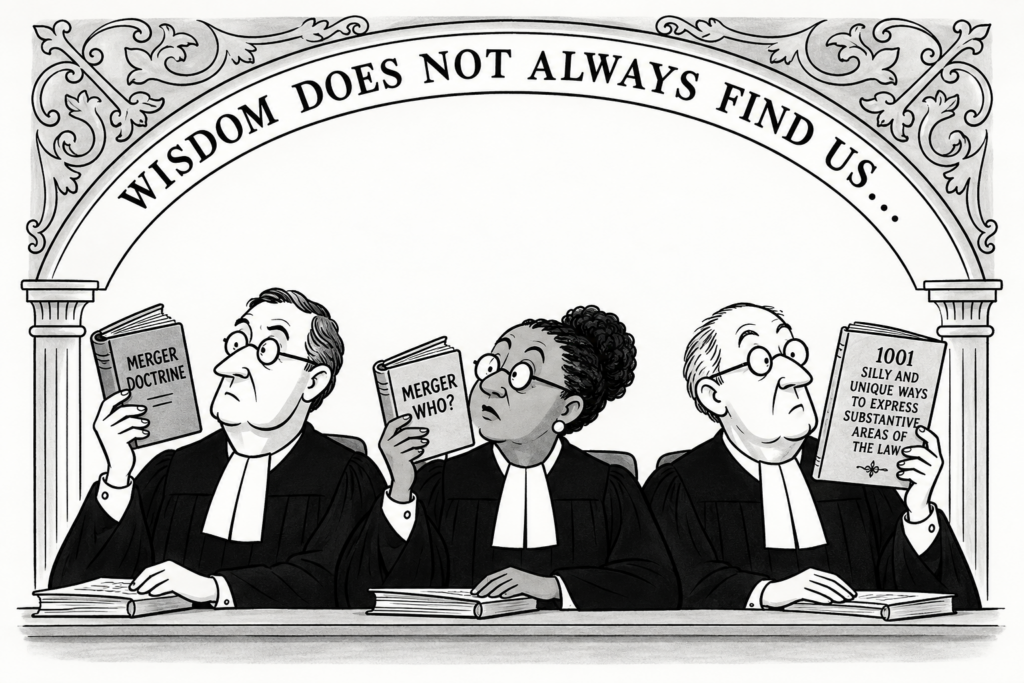
Third Circuit affirms in Thomson Reuters v. ROSS: The Court Gets Merger Wrong and Does a Disservice to Fair Use
On September 29, 2026, the U.S. Court of Appeals for the Third Circuit affirmed the district court’s grant of partial summary judgment to Thomson Reuters in Thomson Reuters v. ROSS Intelligence. The panel (Judges Restrepo, Montgomery-Reeves, and Bove, with Judge Montgomery-Reeves the author of the opinion) held that Westlaw’s headnotes are copyrightable and that ROSS’s use of them to train an AI legal research tool was not fair use.
The court insists that “this is no more than an ordinary copyright case” (Ross COA Opinion, p. 2). While we do think the effect of this case will be limited on other…

We welcome authors and creators of all kinds and all nationalities who share our mission and are committed to having their work be read, seen, and heard. Our members include writers of fiction and nonfiction, poets, researchers, and journalists.
Subscribe for our latest news and analysis on law, policy, and authorship for the public good.
The Latest

The Server Test’s Fraternal Twin: What the Fifth Circuit’s Emmerich Decision Changes — and What It Doesn’t
On August 27, 2026, the Fifth Circuit held that a news aggregator that frames headlines and sends readers back to the original publisher’s site does…

Resolving an Interlocutory Appeal, Ninth Circuit Affirms Dismissal of Section 1202 DMCA Claims in ongoing Doe v. GitHub litigation
On September 16, 2026, the Ninth Circuit issued its published opinion in Doe v. GitHub, Inc., affirming the district court’s dismissal of programmers’ claims under…

Authors Alliance Joins with HathiTrust and Northeastern University on “Transparent Books”
A five-year, $5 million grant to HathiTrust will create responsible, equitable, and transparent services that leverage AI for the public good and scholarly discovery. Authors…